
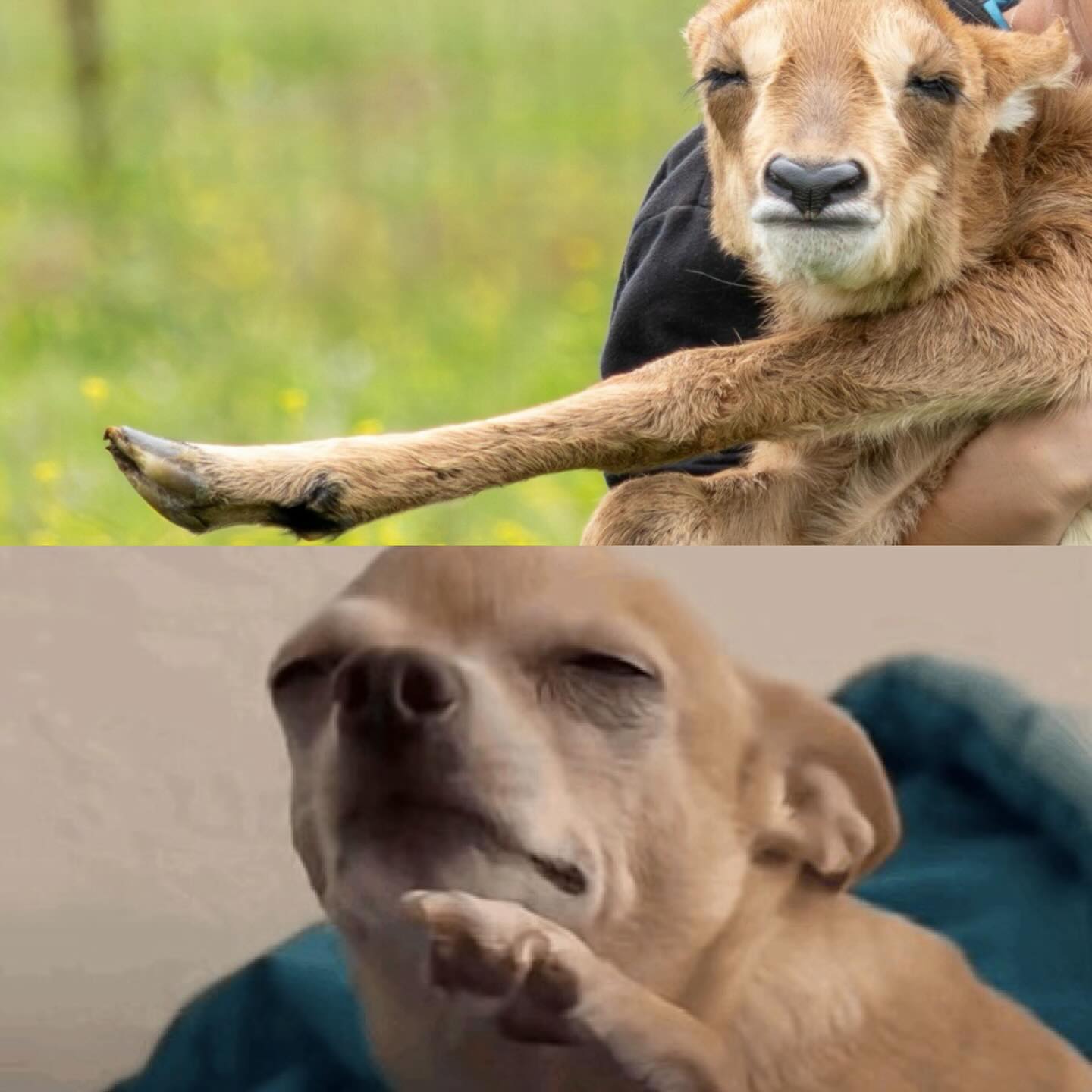
- The phrase Only 20 hours old and already a meme 💅 reflects how quickly public attention can turn a newborn animal into an internet symbol.
- Early-life biology in mammals and birds is defined by thermoregulation, feeding, sensory development, and maternal or parental care.
- Zoo management teams must balance public interest with animal welfare, privacy, and husbandry needs during the first days after birth.
- Viral posts can aid conservation education, but only when they are accurate and tied to real science.
- The long-term value of a meme depends on whether it supports awareness of species biology, habitat loss, and conservation work.
Only 20 hours old and already a meme 💅 is the kind of phrase that spreads quickly because it captures two forces at once: the public fascination with newborn animals and the speed of modern social media. A very young animal can become an online event before it has even fully adjusted to life outside the womb or egg. That reaction is not trivial. It reveals how strongly people respond to infant features such as large eyes, round heads, soft coats, and awkward movement. It also shows how zoo communication now operates in a setting where audience interest forms within hours, not days.
From a zoological view, the first 20 hours of life are a critical window. In many species, neonatal survival depends on immediate access to warmth, nutrition, and maternal care. Newborn mammals often have limited body fat, weak mobility, and immature immune defenses. Birds may hatch with open eyes but still rely on adult feeding and brooding. Reptiles and amphibians can differ widely, but even there, the earliest stage often carries high risk. That is why the expression Only 20 hours old and already a meme 💅 should never be treated as simple internet humor. It points to a life stage in which small changes in temperature, hydration, feeding, and handling can affect survival.
In zoo management, the birth of a neonate triggers a set of standard protocols. Staff monitor respiration, nursing, standing ability, weight gain, and maternal behavior. They also assess whether the young animal is receiving colostrum or equivalent early nourishment. In mammals, colostrum provides antibodies that help protect against disease before the newborn’s own immune system matures. In ungulates such as giraffes, zebras, antelope, and deer, a newborn must stand and nurse quickly. In primates, contact with the mother is even more central. In carnivores such as big cats, early care may be hidden from the public because disturbance can disrupt bonding and nursing.
The popularity of Only 20 hours old and already a meme 💅 often comes from species that are visually compelling. Neonatal animals with oversized feet, fuzzy coats, or unstable movement patterns fit the internet’s preference for instantly readable images. Yet the biological meaning of those traits matters more than the aesthetic appeal. A fluffy coat can help with insulation. Large feet may support rapid growth or locomotion later. Clumsy movement may reflect immature neuromuscular control rather than weakness. In some precocial species, early mobility is a survival strategy. In altricial species, immobility and parental dependence are normal and expected.
The line between education and spectacle is a major issue for zoos. A viral newborn can increase visitor interest, membership sales, and online traffic. Those outcomes can support animal care when managed responsibly. But public excitement also creates pressure to show the animal too soon. A zoo must decide what to post, when to post it, and how much detail to share. Staff may delay public release until the mother is calm, the infant has fed, and the veterinary team has confirmed stable condition. That timing protects welfare. It also avoids feeding inaccurate narratives that can spread faster than the facts.
Only 20 hours old and already a meme 💅 illustrates how social media compresses the timeline between birth and public commentary. That speed can be useful. Conservation programs often struggle to gain attention for species that are not already famous. A newborn can serve as a gateway to learning about a species’ status in the wild, reproductive biology, and habitat needs. If the post includes accurate context, the meme becomes an entry point rather than a distraction. For example, a newborn in a managed population may represent an important genetic contribution to a species survival plan. That detail matters far more than a caption alone.
Neonatal care varies by taxon. In mammals, thermal regulation is often a priority because young animals can lose heat rapidly through a high surface-area-to-volume ratio. Staff may use heat lamps, nesting material, or climate-controlled dens. In birds, the chick may need supplemental warmth and hand-feeding only if parents cannot provide it. In marsupials, continued pouch development means the young remain highly dependent for weeks or months. In reptiles, incubation temperature can affect not just hatch success but sometimes sex determination in species with temperature-dependent sex determination. These are not minor husbandry details. They shape survival, growth, and later reproductive success.
Zoo teams also track behavior. A newborn that vocalizes, seeks the mother, and shows coordinated sucking or grasping behavior is demonstrating normal neonatal function. Signs of concern include persistent weakness, failure to nurse, disinterest in the mother, abnormal breathing, and failure to thermoregulate. Veterinary staff may intervene with supplemental feeding, fluids, or incubation if needed. Intervention choices depend on species, parental history, and the likelihood that human contact will create long-term problems. For some species, hand-rearing is a last resort because it can alter social development and reduce future breeding success.
The appeal of Only 20 hours old and already a meme 💅 is also connected to human caregiving instincts. People are drawn to infant signals. Scientists call many of these cues neotenous traits. Round faces, small noses, and large eyes trigger attention and protection responses in humans. Social platforms amplify that response. The result is fast sharing, short comments, and broad visibility. This pattern can be useful for education, but it can also flatten biological reality. A newborn is not an accessory. It is a vulnerable animal with species-specific needs. The responsibility of a zoo is to present that animal with accuracy, not just charm.
Modern zoo management uses these moments to teach animal life history. Life history refers to traits such as age at maturity, number of offspring, parental investment, and lifespan. A species that produces one infant after a long gestation often invests heavily in each offspring. Others produce many young with lower individual investment. This difference shapes the entire approach to care. A single newborn ape may require intense monitoring and long maternal contact. A litter of small rodents may need nest security and minimal disturbance. A flock bird chick may need the parents to remain undisturbed more than it needs visible human intervention.
The phrase Only 20 hours old and already a meme 💅 also raises a communication question: what should the public learn from viral animal content? At a minimum, posts should identify the species, explain the age in biological terms, and note any conservation relevance. If the animal belongs to a threatened or endangered species, the message should include the threats it faces in the wild. Habitat loss, poaching, invasive species, disease, and climate-related stress all affect population trends. A viral newborn can therefore lead to a better understanding of why ex situ breeding, habitat protection, and population management matter.
Ethics matter as well. Public reaction should not drive husbandry decisions. If an animal needs quiet, it needs quiet. If the mother is inexperienced, staff may watch from a distance or use cameras. If an infant is weak, veterinary care may require temporary removal. These choices are guided by animal welfare science, not by the demand for immediate footage. Good zoos communicate that distinction clearly. They can share a newborn with the public while still protecting the animal’s environment and routine.
The conservation value of a viral newborn depends on continuity. A post gets attention for a day. Conservation takes years. That gap can be bridged if the zoo uses the visibility to explain breeding recommendations, species recovery plans, and field conservation partnerships. It can also explain why genetic diversity is critical. In managed populations, breeding is often coordinated through studbooks and regional programs. Those records help maintain healthy gene flow and avoid inbreeding. The public rarely sees that work, yet it is central to modern zoo conservation.
Only 20 hours old and already a meme 💅 can be read as a social media phrase, but it also reflects a larger pattern in how humans process wildlife. We respond first to appearance, then to story, and only later to science. Zoo educators can work with that pattern instead of against it. They can start with the image, then move to anatomy, development, and ecology. A well-placed caption can explain why the newborn cannot regulate body temperature well, why the mother may be territorial, or why the species relies on specific habitat structure in the wild. That approach turns a short-lived viral moment into durable knowledge.
Newborn animals also help illustrate the diversity of reproductive strategies across taxa. Some species are born with fur, open eyes, and the ability to walk soon after birth. Others arrive blind and helpless. Some hatch from eggs and begin life in a nest or burrow. Others remain in hidden dens. These differences reflect adaptation to predation pressure, food availability, and parental capacity. A zebra foal can follow the herd soon after birth because mobility reduces risk in open habitat. A puppy or kitten is born helpless because close maternal care is the safer strategy. Each pattern is shaped by evolution.
For wildlife conservation, public interest in newborns should be tied to habitat and ecosystem health. A captive birth is important, but it does not replace a functioning wild population. Many species depend on intact migration corridors, prey availability, nesting substrate, or seasonal water cycles. If those conditions disappear, breeding success in zoos becomes only part of the solution. Zoos can support reintroduction work, research, and field programs, but they cannot substitute for protected ecosystems. That point is worth repeating whenever a newborn becomes an internet sensation.
The strongest use of Only 20 hours old and already a meme 💅 is educational. It can draw attention to neonatal development, veterinary monitoring, maternal care, and species conservation. It can also remind the public that a zoo is not a photo studio. It is a managed environment where animal welfare, reproductive science, and conservation goals intersect. When a newborn appears online, viewers are seeing the visible tip of a much larger process that includes breeding planning, pregnancy care, neonatal observation, and long-term population management.
The phrase will likely fade from trend cycles, as all viral content does. The biological facts will remain. Newborn animals will continue to need warmth, food, protection, and skilled care. Zoos will continue to balance transparency with restraint. Conservation programs will continue to depend on accurate public understanding. When the next newborn animal appears online, the most valuable response will be the one that recognizes the image, respects the animal, and connects the moment to science and stewardship.
*****
Source Description
Only 20 hours old and already a meme 💅
