
- The importance of freshwater mussels in ecosystems and water quality.
- Overview of the collaborative initiatives led by the Columbus Zoo, Ohio Environmental Council, and OSU.
- Insights into the educational goals of the Mussel Cart and community outreach.
- Specifics about Ohio’s mussel species and their conservation status.
- Upcoming events and how the public can get involved with conservation efforts.
Freshwater mussels are vital to the health of aquatic ecosystems and water quality. These organisms serve multiple functions, including filtering water, providing habitat for other species, and contributing to nutrient cycling. Their presence often indicates the overall health of a given aquatic environment. With the alarming rate of decline in many freshwater mussel populations, raising awareness about their ecological roles becomes increasingly important for conservation efforts.
The collaborative initiative involving the Columbus Zoo and Aquarium, the Ohio Environmental Council, and The Ohio State University’s Museum of Biological Diversity represents an essential step in community engagement. By forming alliances among organizations dedicated to wildlife conservation and education, they aim to facilitate a better understanding of local species, particularly freshwater mussels. The partnership harnesses the expertise of each organization, delivering a more comprehensive conservation message to the public.
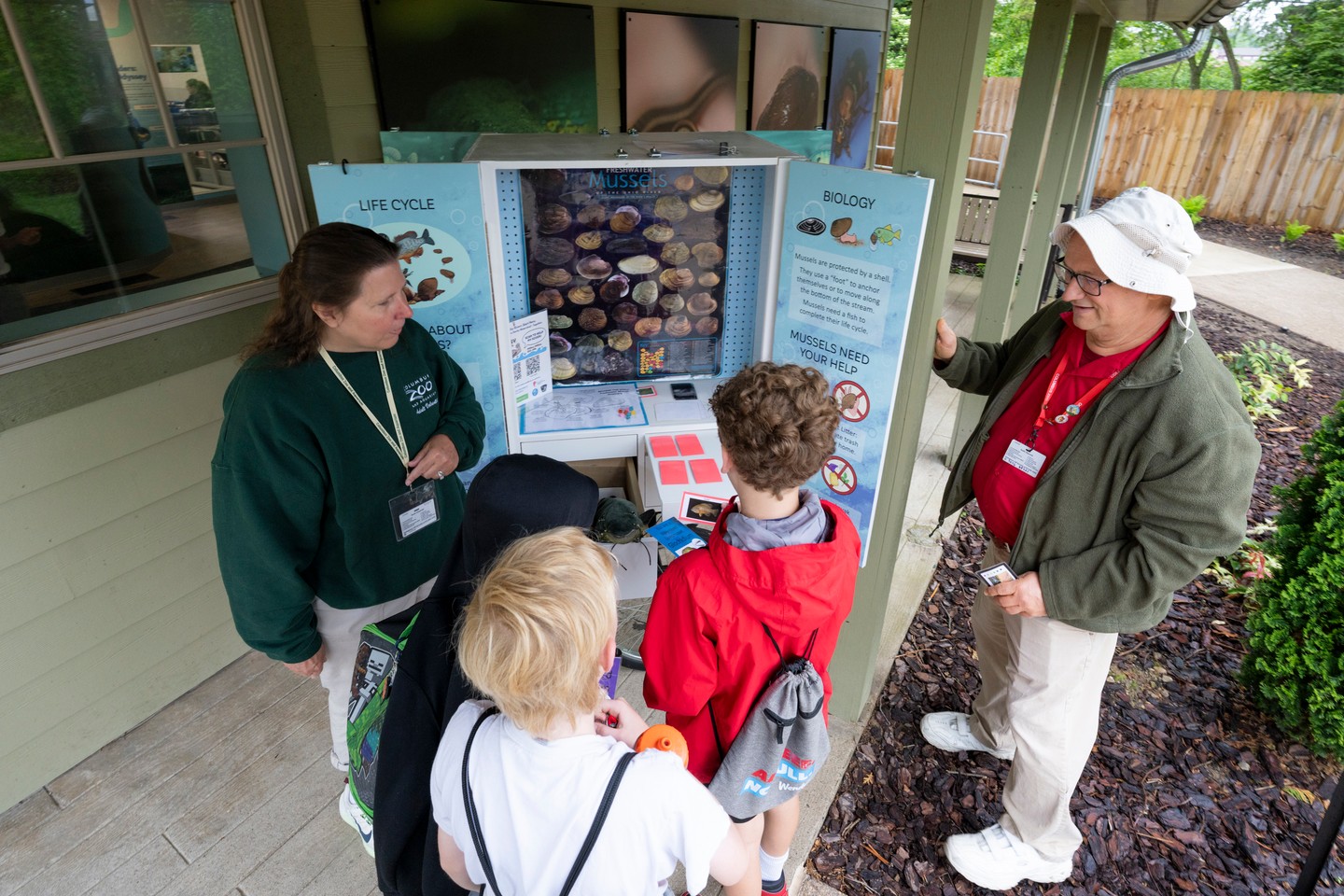
A central element of this initiative is the Mussel Cart, a hands-on educational display designed to engage visitors. Recently showcased at the Columbus Zoo, this cart features actual mussel specimens from OSU’s Museum of Biological Diversity, allowing guests to see and interact with these organisms. Such direct engagement encourages a deeper connection between community members and native species, fostering a sense of responsibility towards their protection.
The educational goals of the Mussel Cart focus on informing the public about the various species of mussels in Ohio and their significant contributions to water quality and ecosystem health. Attendees learn that mussels filter large volumes of water, effectively removing pollutants and improving overall water clarity. This natural filtration is crucial for maintaining the delicate balance of aquatic ecosystems.
Educational programs at events like those featuring the Mussel Cart emphasize the fact that not all mussel species thrive in urbanized environments. Many are sensitive to changes in water chemistry and habitat destruction. Thus, understanding their biology and ecology aids in efforts to restore and conserve their natural habitats. Participants learn about the threats these species face, including pollution, habitat degradation, and invasive species.
Ohio is home to over 50 species of freshwater mussels, many of which are endemic to the region. Some of these species, such as the Northern Riffleshell and the Clubshell, are listed as endangered in the state. The educational initiatives aim not just to create awareness, but also to empower residents to take action in protecting these species. Protecting their habitats, engaging in responsible fishing practices, and participating in river clean-up events can all contribute to the sustainability of local mussel populations.
Awareness-raising initiatives like the Mussel Cart are vital for celebrating native species, particularly those that often go unnoticed. In collaboration with the Ohio Environmental Council, efforts to promote awareness highlight the interconnectedness of all living beings within ecosystems. By showcasing the mussels, the program reinforces the message that every organism plays a critical role in maintaining ecological balance.
The upcoming event at Battelle Darby Creek Metro Park, scheduled for May 18-25, 2026, presents another opportunity for community members to learn about these remarkable creatures. Such occasions provide interactive experiences, alongside expert talks and educational materials. The goal is to inspire visitors to become stewards of their local environments and to appreciate the significance of biodiversity, especially in freshwater habitats.
In addition to educational events, the collaboration also focuses on practical conservation efforts. Engaging the community in active participation fosters a connection that might result in long-term dedication to conservation initiatives. Educational programs are bolstered by tangible outcome-driven projects, such as mussel restoration activities. These efforts often involve citizen science, where community members actively engage in monitoring and restoration work.
Protecting freshwater mussels is crucial not just for their survival but also for the overall health of water systems in Ohio. The collaboration among the Columbus Zoo, the Ohio Environmental Council, and The Ohio State University highlights the power of community involvement in conservation. By building bridges between scientific knowledge and public engagement, these organizations are setting a template for effective conservation strategies.
In conclusion, the combination of education and active conservation provides a framework for long-term success in protecting freshwater mussels. Community events that highlight the ecological significance of these organisms are essential stepping stones toward broader environmental awareness. Through continued collaboration and outreach, we can nurture a lasting commitment to conservation efforts, ensuring that these vital species thrive for future generations.
*****
Source Description
In a collaborative initiative with the Ohio Environmental Council (@ohioenviro) and The Ohio State University’s (OSU) Museum of Biological Diversity (@mbdatosu), the Columbus Zoo and Aquarium has been working to raise community awareness of mussels, especially in the Darby creek region, through our pop-up educational display, the Mussel Cart!
Recently, we hosted the Mussel Cart here at the Columbus Zoo, helping our guests learn more about mussels and their importance, as well as the work we do to protect them through our Ohio Center for Wildlife Conservation (OCWC). The Mussel Cart features specimens from OSU’s Museum of Biological Diversity and gives guests the opportunity to engage and interact with these specimens.
By building awareness of the mussels living in our backyards and their importance for water health, we can help guests and the general public understand why it’s important to protect them.
Join us in celebrating this incredible collaborative partnership and be on the lookout for the Mussel Cart next at the Battelle Darby Creek Metro Park from May 18-25, 2026.
