
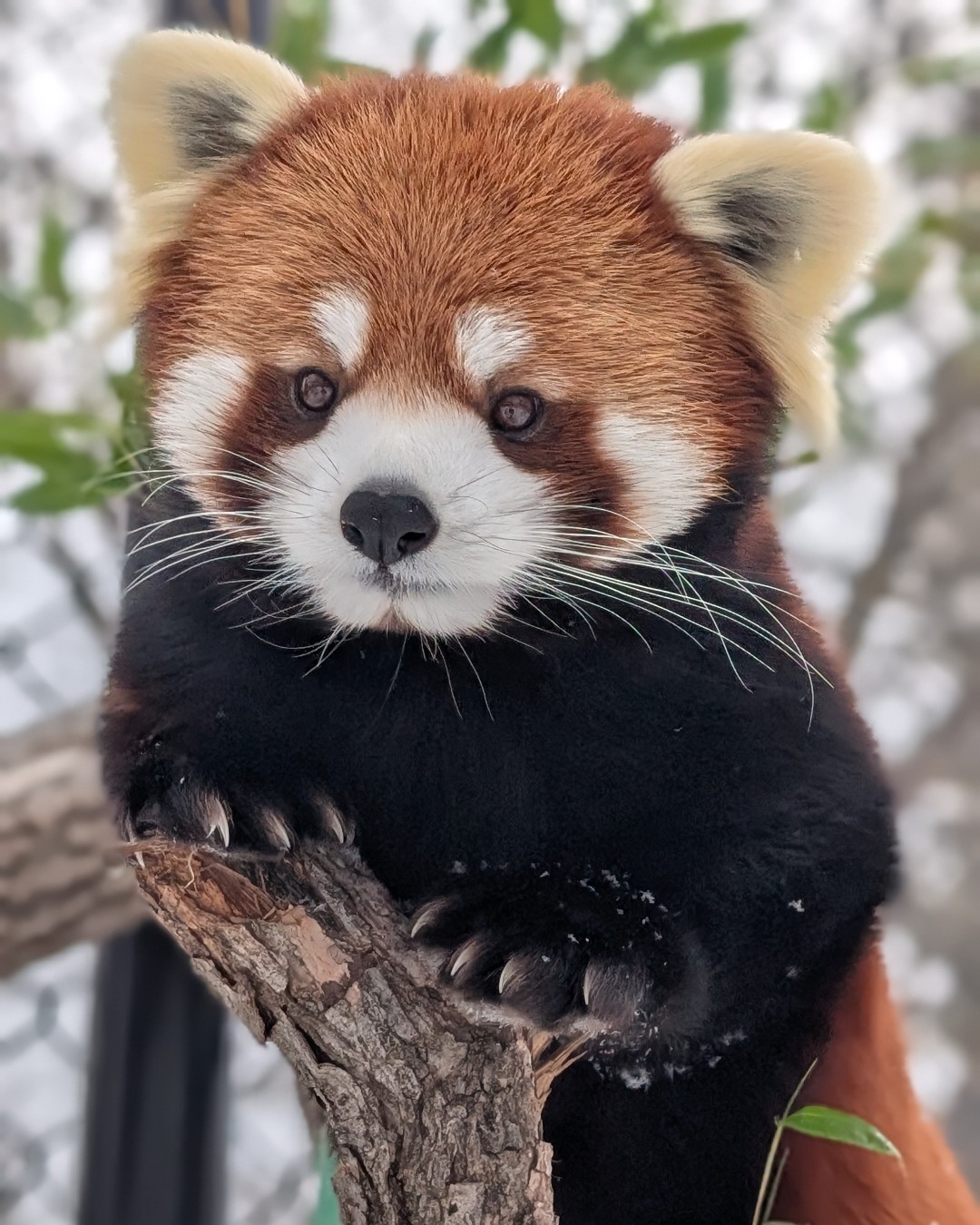
- Breeding recommendations in accredited zoos are part of Species Survival Plan programs that protect genetic diversity and support endangered species.
- White-handed gibbons, red pandas, and snow leopards each require different reproductive management, from pregnancy monitoring to introduced pairs and hormone testing.
- Habitat loss, poaching, unsustainable resource use, and climate change are major threats in the wild, making zoo-based conservation a practical complement to field protection.
- Visitor support matters because attendance and public engagement help fund animal care, research, and conservation action.
- The Assiniboine Park Zoo breeding updates show how coordinated animal management can contribute to long-term species recovery.
Breeding recommendations in modern zoos are a core part of species conservation. They are not casual pairings. They are planned through population management systems that look at genetics, age structure, reproductive history, and long-term sustainability. At Assiniboine Park Zoo, current updates for white-handed gibbons, red pandas, and snow leopards show how this work operates in practice. The goal is to support healthy, self-sustaining populations in human care while also strengthening public understanding of species at risk.
As an accredited Zoo, Assiniboine Park Zoo participates in Species Survival Plan programs. These programs are coordinated breeding plans used by zoos and aquariums across North America. They help managers decide which animals should breed, which individuals should remain non-breeding, and when transfers between institutions can improve genetic diversity. The work is guided by data. It relies on studbooks, pedigree analysis, and reproductive science. This approach helps reduce inbreeding and supports the long-term viability of species housed in zoological facilities.
The broader conservation value is important. Zoo populations are not replacements for wild populations. They are safety nets. They also act as education tools and research groups. Visitors who learn about a species in a zoo often become more aware of habitat loss, wildlife trade, and the role of habitat protection. That connection matters because many of the same pressures facing zoo species continue to threaten animals in the wild.
White-handed gibbons are a strong example of this connection between managed care and conservation education. Maya, the zoo’s female gibbon, is pregnant and near the end of gestation. White-handed gibbon pregnancies typically last about seven months, though exact timing can vary by individual. Female gibbons usually give birth to a single infant. Twins are rare in this group. Because Maya is an experienced mother, the care team is taking a hands-off approach after birth while still observing behavior and health closely. That method is common in primate management. Excessive intervention can raise stress levels and interfere with normal maternal bonding.
White-handed gibbons live in family groups in which parents play clear roles. Infants cling to the mother soon after birth. As they grow, they begin to explore more independently while still returning to adult care and protection. Gibbons are highly social apes, and early life experiences matter for normal development. In managed care, keepers monitor feeding, infant attachment, activity level, and maternal behavior. They also watch for signs of dehydration, poor nursing, or unusual separation. The aim is to support natural parenting while being ready to intervene if veterinary care becomes necessary.
The wild status of white-handed gibbons adds urgency to this work. These apes have been heavily affected by habitat loss across Southeast Asia. Logging, forest conversion, and agricultural expansion have reduced and fragmented their forest canopies. Unsustainable palm oil production has also contributed to decline by replacing habitat with large-scale monocultures. Because gibbons depend on connected tree cover for movement, fragmentation is especially harmful. They are brachiators, meaning they travel by swinging hand over hand through the canopy. Gaps in forest can isolate groups and limit access to food and mates. A zoo birth, then, carries educational weight. It helps communicate the needs of a species whose survival depends on intact forests.
Red pandas present a different reproductive challenge. Female Mei Mei and male Suva were introduced successfully last year, which is an important step in building a compatible breeding pair. Red pandas breed seasonally, and females can experience delayed implantation. That means fertilization can occur, but embryo development may pause before active pregnancy begins. This biological feature makes pregnancy confirmation difficult. A female may show signs that suggest pregnancy without producing a clear, immediate result. For that reason, keepers support Mei Mei with nest boxes and observe behavior closely rather than relying on early visual cues alone.
Nest boxes are an important husbandry tool for red pandas. They give the female a secure, sheltered space for resting and possible cub rearing. In the wild, red pandas use dense vegetation and tree hollows for cover. In zoos, well-placed nest boxes can reduce stress and encourage natural denning behavior. Keepers often monitor how much time a female spends inside, her appetite, and her use of enrichment and climbing structures. If cubs are born, they usually remain hidden in the nest for the first weeks and are largely dependent on the mother. Young red pandas are typically born in spring or summer, when environmental conditions are favorable.
The reproductive biology of red pandas makes each successful pairing valuable. Their breeding window is narrow. Females are receptive for only a short period each year. That means timing, social compatibility, and behavioral cues all matter. Species Survival Plan recommendations help match animals that can produce genetically valuable offspring. They also prevent unnecessary breeding if the population needs to maintain space for future pairings. In a managed population, every birth is planned within the larger needs of the species.
The wild red panda population faces serious pressure. Habitat loss remains the primary threat. Forest degradation reduces bamboo availability, which is a major food source. Human disturbance and fragmentation also increase risks from predation and road mortality. Reports suggest that only a small number of red pandas remain in the wild, and estimates often place the number in the low thousands. Even with uncertainty in exact counts, the trend is concerning. Conservation work must therefore combine habitat preservation, anti-poaching efforts, and connectivity planning. Zoo-based breeding supports those efforts by keeping a healthy assurance population available for education and, in some cases, future conservation planning.
Snow leopards bring yet another layer of reproductive management. Earlier this year, female Kita and male Arka were successfully introduced. That alone is a meaningful conservation step. Social introductions are carefully planned in carnivore management. Keepers assess body language, spacing, scent marking, resting proximity, and repeated interactions. If the pair tolerates each other and shows affiliative behavior, breeding may occur. In this case, breeding behavior has been observed, but pregnancy has not been confirmed.
Confirming pregnancy in snow leopards can be difficult. Large cats often show subtle signs during early gestation. Behavioral changes can be indistinct, and physical signs may not appear until later. That is why hormonal testing through fecal samples is useful. The zoo has used a harmless, non-toxic glitter in Kita’s meals so her feces can be identified more easily. This allows staff to collect the correct samples without confusion. The samples are then sent to the Toronto Zoo for analysis. Fecal hormone testing can provide insight into reproductive state by measuring metabolites associated with progesterone and related hormones. It is a practical method because it avoids restraint and reduces stress.
This kind of cooperative science shows how zoo networks function. One institution may manage the animals, while another may process samples or provide specialized analysis. That exchange improves the quality of data and helps staff make informed decisions. Whether or not Kita is pregnant, the introduction itself matters. Successful pair formation supports the future of the species in managed care. It also expands knowledge of breeding behavior in a carnivore that is often hard to monitor closely.
Snow leopards are adapted to high-altitude mountain environments across Central and South Asia. They have thick fur, large paws, and long tails that help with balance and insulation. In the wild, they face several threats at once. Poaching remains a problem. Habitat loss and fragmentation reduce prey availability and limit movement. Climate change adds pressure by altering alpine ecosystems and shifting the distribution of prey and human activity. These pressures make coordinated conservation especially important. Snow leopards require broad habitat protection across multiple countries. Zoo participation cannot solve those threats alone, but it can help keep public attention focused on the species and support the science needed for informed action.
The value of zoo breeding programs extends beyond births alone. Every successful pairing generates data. Managers learn about compatibility, maternal care, infant survival, and long-term reproductive health. They also learn what husbandry practices support success. For primates, this may mean privacy and limited disturbance. For small mammals such as red pandas, it may mean den access, quiet observation, and careful environmental control. For large carnivores like snow leopards, it may mean phased introductions, remote monitoring, and hormone analysis. Different species require different tools, but the purpose is the same: support healthy reproduction while preserving animal welfare.
That work also depends on public support. When people visit Assiniboine Park Zoo, they contribute directly to animal care, veterinary support, enrichment, and conservation programs. Admission revenue helps fund the systems that make breeding recommendations possible. It also supports education. Visitors leave with more than photos. They leave with a better understanding of how habitat loss, unsustainable resource use, and climate pressures affect species survival. That understanding can shape future choices, from consumer habits to support for conservation policy.
The updates for Maya, Mei Mei, Suva, Kita, and Arka show how conservation in a zoo setting combines biology, planning, and daily care. The process is careful because the stakes are high. White-handed gibbons depend on intact forest canopies. Red pandas need secure habitat with abundant bamboo. Snow leopards require large mountain landscapes and stable prey populations. Each species faces different pressures, yet each benefits from coordinated management in accredited zoos.
Breeding recommendations are not simply about producing young. They are about maintaining genetic health, protecting welfare, and connecting visitors to conservation realities. In that sense, the current Assiniboine Park Zoo breeding updates are more than animal news. They are a direct example of how zoology, veterinary science, and species management work together to support endangered wildlife.
*****
Source Description
Oh baby! 🍼 💕 We’re thrilled to share updates about breeding recommendations throughout the Zoo that support endangered species.
As an accredited Zoo, we participate in Species Survival Plan breeding programs, which help maintain healthy populations of endangered species in zoos.
🐵 White-Handed Gibbons: Maya is pregnant and just about ready to pop! We are closely monitoring our gibbon matriarch and expect her to enter labour very soon. Maya is an experienced and attentive mother, so we will plan for a hands-off approach to caring for Maya and baby, while monitoring and supporting their needs.
Wild white-handed gibbons have been greatly impacted by habitat loss and unsustainable palm oil production.
🐾 Red Pandas: Female panda Mei Mei and male Suva were successfully introduced last year! Red Pandas breed annually and experience delayed implantation, making pregnancy difficult to confirm. While we’re not certain if Mei Mei is pregnant, we are supporting her with nest boxes, and she’s been spending plenty of time cozied up inside them. Young are typically born in spring and summer and supported by mom in the nest for the first few months.
Wild red pandas are currently being impacted by habitat loss. There may be as few as 2,500 remaining in the wild today.
❄️ Snow Leopards: Earlier this year, female Kita and male Arka were successfully introduced – you may have seen them snuggled up this winter and spring! While we have observed breeding behaviour, we are not certain if a pregnancy has occurred. To test for pregnancy hormones, Kita’s meals have recently included a harmless, non-toxic glitter that results in glittery poo that can be easily identified and collected for sampling. Fecal samples have been sent to a lab at the Toronto Zoo for testing. Regardless of the results, this introduction is a huge step forward!
There may be as few as 4,000 snow leopards remaining in the wild. The species is facing a number of threats, including poaching, habitat loss, and climate change.
🩷 When you visit Assiniboine Park Zoo, you directly contribute to our efforts to support endangered species and inspire future generations to care for wildlife.
