
- Understanding the basic biology and behavior of otters
- The significance of snow in the natural world
- The impact of climate on wildlife and their habitats
- Conservation efforts focused on otters and their environments
- Insights into animal behavior during seasonal changes
The otter, a member of the family Mustelidae, showcases remarkable adaptability and agility in varying environments. They are known for their playful antics, which not only serve as a form of social interaction but also as crucial behavior that assists in hunting and foraging. Otters possess distinct features such as a streamlined body, webbed feet, and a unique coat that helps them maintain their body temperature while submerged in cold water. As members of the ecosystem, otters play a vital role in maintaining population control of fish and invertebrates, thus impacting aquatic health.
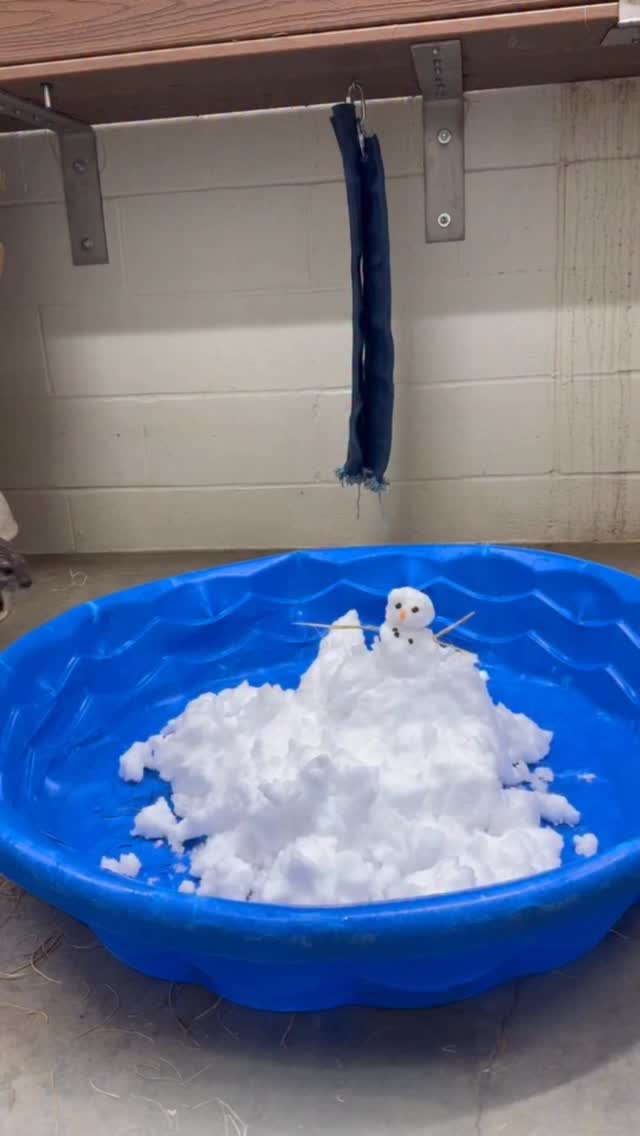
Ripple, Puddles, Splash, and Scuttle, the young otter pups recently experiencing their first snow day, highlight the curious nature of otters. This moment is significant not only as an enchanting visual but also as an opportunity to observe how these pups interact with their environment. Otter pups depend heavily on their mothers for the first few months of their lives, and their learning experiences during such seasonal changes are pivotal for their development. Learning to move and behave in snow enables these young otters to adapt to different surroundings, teaching them essential survival skills.
Snow, particularly in regions where otters reside, holds significance beyond aesthetics. It affects hydrology, plant growth, and animal behaviors. When snow blankets the ground, it alters the habitats for many species, providing insulation for some while becoming a barrier for others. Its presence also indicates changing seasons, affecting food availability for different animals. Snowflakes, formed by the crystallization of water vapor, are intricately designed; though often taken for granted, their delicate beauty serves important functions in the ecosystem.
As the climate continues to change, the habitats that support otters are affected significantly. Sudden temperature fluctuations, extreme weather events, and shifting food sources can disrupt the delicate balance necessary for wildlife survival. Otters have adapted to thrive in various environments, from rivers to oceans, yet their dependency on healthy ecosystems places them in a vulnerable position. With extreme weather events becoming more common, the consequences for otters and other wildlife can be profound.
Conservation efforts aimed at protecting otters and their environments are vital to maintaining biodiversity. Organizations dedicated to wildlife preservation often focus on habitat restoration, water quality improvement, and raising awareness about the importance of these species. Otters serve as indicator species; their health often reflects the well-being of their aquatic habitats. Initiatives that protect water bodies from pollution and promote biodiversity in associated ecosystems contribute to the sustainability of otter populations.
Behavioral responses of animal species, including otters, are closely linked to seasonal changes. These otter pups’ first snow day symbolizes a significant learning experience that can affect their long-term survival strategies. Snow can provide opportunities for play, which is essential for social bonding and physical development. Observing how Ripple, Puddles, Splash, and Scuttle engage in their new environment can provide insights into the natural behaviors as they explore, slide, and frolic in the fresh snow.
Snow days in the otter world introduce a shift in play dynamics while allowing pups to test their agility and balance. While otter pups may be naturally inclined to play, how they adapt to the cold environment is an essential process in their upbringing. Such experiences are ingrained with learning moments that prepare them for winter survival and future challenges.
In understanding the significance of this day for Ripple, Puddles, Splash, and Scuttle, the interplay between species and their environments emerges. Each moment spent in the snow reinforces survival instincts that are integral to growing into healthy adult otters. Awareness of climate’s effects on wildlife is critical, as wildlife needs to adapt, much like the otter pups learning to navigate their snowy world.
As watchers of Ripple, Puddles, Splash, and Scuttle, connecting the dots between their behaviors and broader ecological concerns is crucial. By enjoying their first interactions with snow, observers learn more about otters’ unique adaptability and resilience. Snow not only impacts them physically but mentally, influencing everything from foraging strategies to social interactions among the pups.
Promoting conservation efforts serves to enhance wildlife management strategies. Establishing protected areas, restoring habitats, and conducting scientific research into otter populations contribute to safeguarding these animals for future generations. Engagement with local communities through educational programs raises awareness about the key role otters play in their ecosystems. Involving the public in conservation initiatives fosters a sense of ownership and responsibility towards these environments.
Moreover, initiatives that facilitate interaction with wildlife in a respectful manner can enhance understanding of animal behaviors. By observing moments like the otter pups’ first snow day, we become more informed about the needs and challenges facing wildlife. The experiences of Ripple, Puddles, Splash, and Scuttle do not exist in isolation. Their behaviors reflect larger ecological patterns that require our attention and action for continued preservation.
The significance of otters in aquatic ecosystems extends beyond personal enjoyment when engaging with them. They serve crucial functions that help maintain ecological balance. Educators and conservationists leverage stories of otters to foster interest in environmental stewardship. By exploring animal behavior through relatable experiences like a first snow day, young learners and adults alike are encouraged to appreciate wildlife and consider how they can actively support conservation.
In this way, the otter pups’ first snow day provides a platform for broader discussions and actions surrounding wildlife conservation. It becomes not just a moment of cuteness and curiosity but a call to reflect on how we can contribute to preserving the environments that support such fascinating creatures. Each individual action, whether through advocacy or practical engagement, becomes part of a larger tapestry of efforts aimed at sustaining biodiversity.
Participation in citizen science initiatives can further empower individuals in understanding wildlife dynamics. By collecting data on otter populations, habitat conditions, or local wildlife behaviors, they can gain insights that support conservation goals. Monitoring seasonal shifts in animal behaviors can reveal changes that indicate environmental health, encouraging community involvement with tangible outcomes.
The story of Ripple, Puddles, Splash, and Scuttle illustrates an essential part of wildlife observation, education, and conservation. Each playful leap into the snow is both an exploration and a connection to the larger ecosystem, drawing attention to the intricate relationships among species and their environments. By fostering a spirit of inquiry and responsibility, we cultivate future generations equipped to advocate for wildlife and participate in efforts to protect our planet’s diverse habitats.
The captivating image of otter pups delighting in their first snowy experience not only resonates with animal lovers but emphasizes the urgent need for deeper understanding and engagement in the preservation of wildlife and their habitats. The curiosity and playfulness displayed by otters inspire us to appreciate the natural beauty around us and remind us of the importance of fostering environments where all species can thrive.
Every snow day is an opportunity to reflect on the changes facing our planet and the actions we must take to support wildlife. By immersing ourselves in the experiences that nature offers, we become catalysts for change. Taking part in outdoor activities, supporting local conservation initiatives, and advocating for healthy ecosystems are meaningful steps that each of us can take.
*****
Source Description
❄️ Snow Cute! ❄️ Otter pups first snow day! Ripple, Puddles, Splash and Scuttle experienced their first snow today!
