
- The significance of pumpkin in wildlife diets and zoo management.
- Nutritional benefits of pumpkin for animals and how it’s utilized in zoos.
- Role of seasonal and enrichment feeding practices in animal care.
- Case studies highlighting successful zoo programs using pumpkins.
- Conservation and sustainable agricultural practices related to pumpkin cultivation.
Pumpkins are a fascinating and versatile element in the diet of many wildlife species. Their use is not confined to seasonal decorations or culinary delights; they play an increasingly pivotal role in both zoo management and wildlife conservation. Understanding why and how pumpkins are used in zoological settings provides insight into animal nutrition, enrichment practices, and sustainable agriculture.
The significant role of pumpkins begins with their nutritional profile. Pumpkins offer a rich source of vitamins, minerals, and antioxidants, making them an excellent dietary supplement for a wide range of species. The vibrant orange hue of pumpkins is indicative of their high beta-carotene content, a precursor of vitamin A, essential for vision, immune function, and skin health in animals. Moreover, pumpkins are loaded with fiber, promoting digestive health, which is particularly beneficial for herbivorous animals.
Zoo nutritionists often incorporate pumpkins into animals’ diets to augment their nutritional intake. For instance, big cats such as lions and tigers benefit from the moisture and fiber content, aiding hydration and digestion, especially in captivity where water consumption can vary. Herbivores, including elephants and gorillas, enjoy pumpkins as a form of natural enrichment, breaking the monotony of their regular diet and stimulating natural foraging behaviors.
Animal care specialists utilize pumpkins not only for their nutritional benefits but also as part of enrichment feeding practices. Enrichment is crucial in maintaining the physical and psychological well-being of animals in captivity. The diverse shapes and sizes of pumpkins provide an engaging challenge for animals, stimulating their curiosity and instinctual behaviors. For example, trainers might hide food inside hollowed-out pumpkins, encouraging animals to search and work for their meal, mimicking their natural hunting or foraging activities.
Seasonal feeding with pumpkins also aligns with institutional goals of promoting animal welfare through naturalistic experiences. In temperate regions, the availability of pumpkins corresponds with seasonal changes, allowing zoos to introduce them naturally into animals’ diets as they would occur in the wild. This practice reinforces an understanding and respect for the animals’ natural life cycles among zoo visitors.
Examining successful case studies can further illustrate the effectiveness of pumpkin utilization in zoos. The Oregon Zoo, known for its innovative enrichment programs, has successfully integrated pumpkins into their animal care regimen. During their annual “Squishing of the Squash” event, elephants are given large pumpkins to play with and consume. This not only promotes physical activity but also raises awareness about elephant conservation and the importance of dietary diversity.
Another example is the Wildlife Conservation Society’s Bronx Zoo, which uses pumpkins in predator exhibits. Keepers strategically place pumpkins filled with scents or hidden treats to challenge the problem-solving skills of animals like snow leopards and hyenas. These activities help reduce stress and encourage natural behaviors, enhancing the quality of life for the animals.
Beyond zoo settings, the cultivation and use of pumpkins intersect with conservation and sustainable agricultural practices. Pumpkins are relatively easy to grow, requiring less pesticide intervention compared to other crops, aligning with sustainable farming initiatives. Utilizing locally grown pumpkins reduces the carbon footprint associated with transporting feed from distant sources, aligning zoo practices with broader environmental sustainability goals.
Collaborating with local farmers supports the agricultural community and promotes biodiversity, as pumpkin patches can serve as habitats for various insect and bird species. Furthermore, integrating pumpkins into wildlife feeding programs represents a commitment to ethical sourcing and a move toward more eco-friendly practices.
In conclusion, when someone states they “really like pumpkin,” it reflects a broader appreciation for its multifaceted role in wildlife diets, zoo enrichment, and sustainable practices. The integration of pumpkins into animal care is a testament to the continuous efforts to improve animal welfare and conservation strategies. Understanding these dynamics enriches our knowledge of how zoos operate and their dedication to the health of both captive and wild populations. By fostering respect for pumpkins’ contributions, we also highlight the importance of nutritional diversity and environmental responsibility.
*****
Source Description
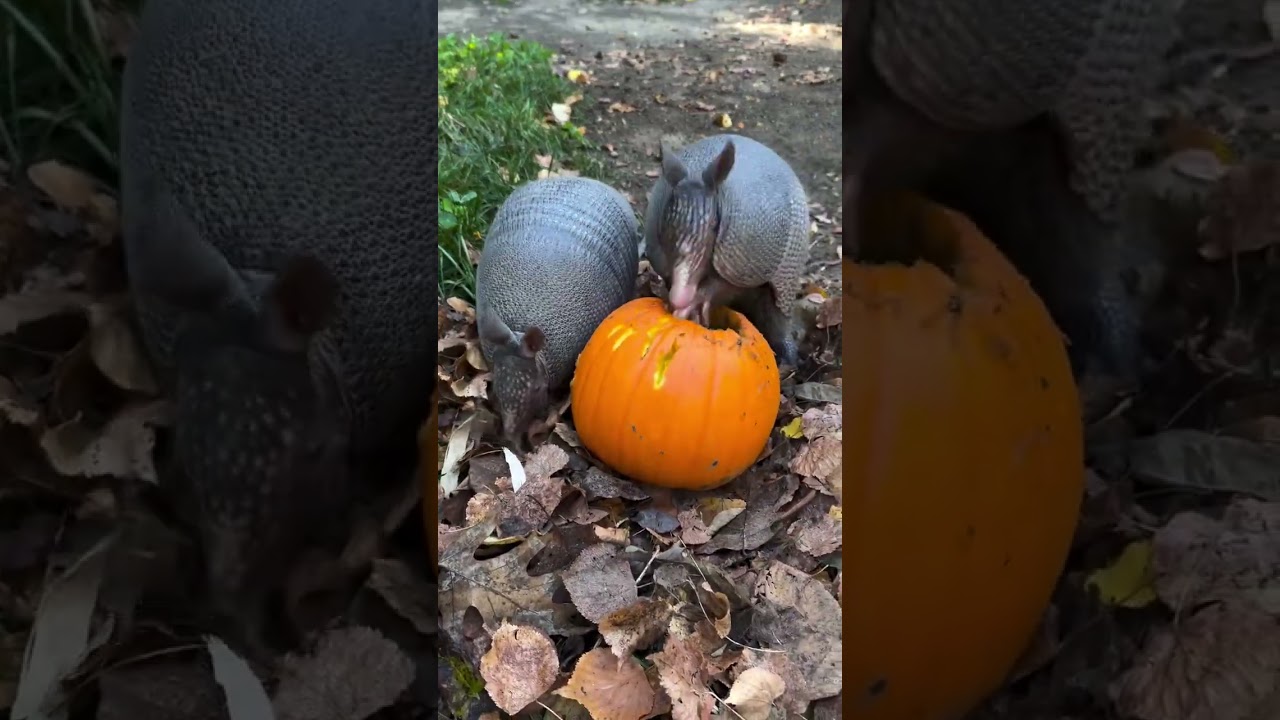
When I say I really like pumpkin, this is what I mean 🎃 Our armadillos had a real gourd time carving into their pumpkin enrichment filled with buggy treats 😋
Thank you to Confreda Farms for generously donating pumpkins for our animals to enjoy again this year! 🧡
